Opus 2M2 Dual DAC Receiver Review: Architecture and Specs Explained
A spec-based review of the Opus 2M2 dual DAC receiver from opushifi.com: its dual-DAC design, published distortion and frequency figures, and what to confirm before buying.
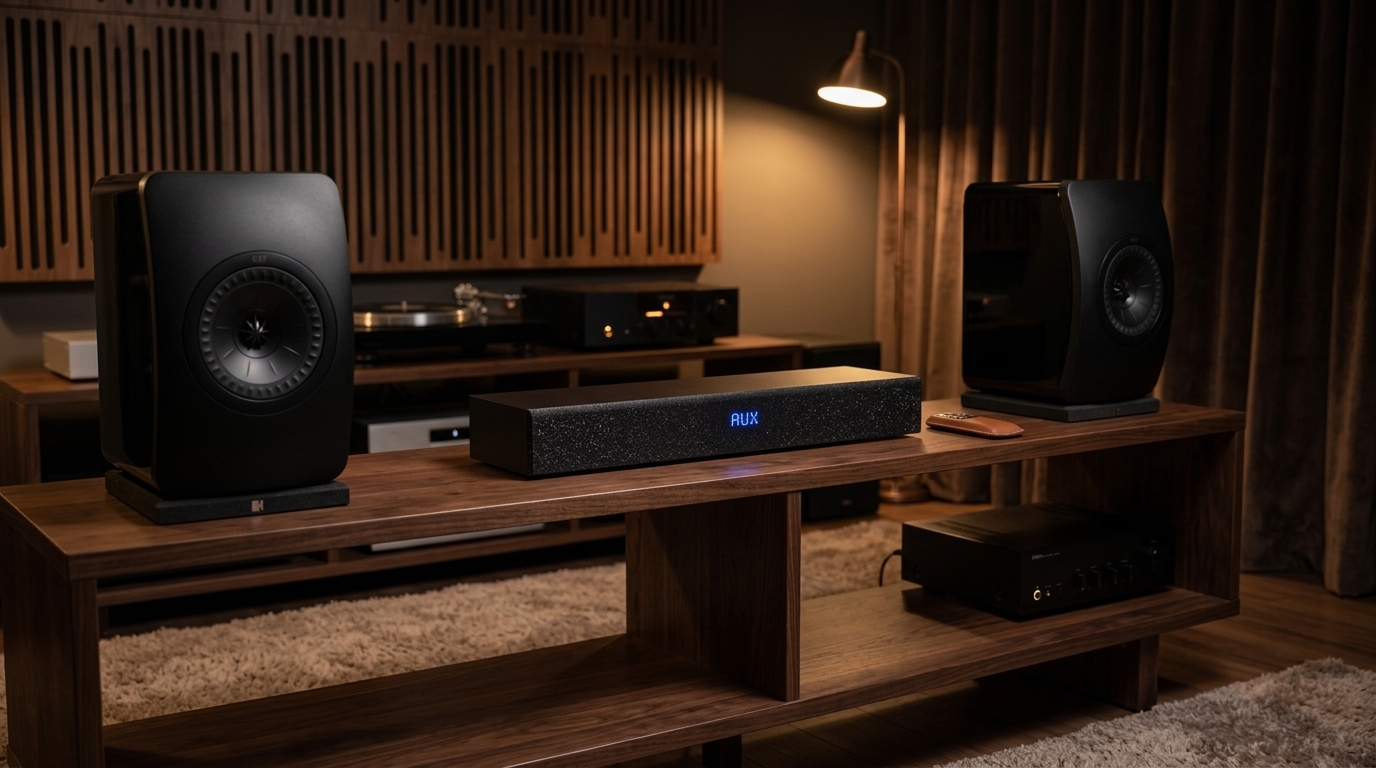
Achieving true high-fidelity digital audio playback requires isolating delicate sound signals from unwanted electrical noise and channel interference. The Opus 2M2 Dual DAC Receiver from Opus Hi-Fi (opushifi.com) positions itself at the apex of high-resolution stereo processing, combining dual DAC modules with a synchronous 24bit/96kHz Evo DAC core and 17 custom neodymium drivers.
This review is based on Opus Hi-Fi's published specifications rather than on a product test: we look at what the Opus 2M2 offers on paper, who it suits and what to confirm with the manufacturer before buying.
What Sets the Opus 2M2 Dual DAC Receiver Apart?
The core philosophy behind the Opus 2M2 is complete stereo separation. Unlike conventional stereo receivers that process both left and right audio channels on a single shared DAC chip, the Opus 2M2 utilizes dual DAC modules built around a synchronous 24bit/96kHz Evo DAC core.
Key architectural highlights of the Opus 2M2 include:
- Dual DAC Modules: Synchronous Evo DAC conversion at 24bit/96kHz.
- High-Resolution Link: 24bit/96kHz laboratory-grade asynchronous link.
- Ultra-Low Jitter Clock System: A master clock operating at 24bits/96kHz mitigates jitter to levels below measurable limits.
Key Technical Specifications
Here is the detailed specification breakdown for the Opus 2M2 Dual DAC Receiver:
- Digital-to-Analog Converters: Dual DAC modules, Synchronous Evo DAC Embedded Core
- Frequency Response Range: 20Hz – 25kHz (±1.5dB)
- Total Harmonic Distortion (THD+N): < 0.002% (20Hz – 20kHz, 90dB SPL)
- High-Res Audio Compatibility: 24bit / 96kHz asynchronous link
- Digital Audio Inputs: Asynchronous USB interface
- MSRP / Price: $1,999.99 USD
Pros & Cons of the Opus 2M2
What We Liked (Pros)
- Pristine Dual DAC Engineering: Ultra-low distortion and dead-silent background noise floor.
- High-Resolution Processing: Synchronous 24bit/96kHz D/A conversion.
Areas for Improvement (Cons)
- No Built-in Wi-Fi Streaming: Relies on its asynchronous USB link rather than network UPnP/DLNA streaming.
- Premium Price Point: At $1,999.99 USD, it represents a serious investment for audiophile purists.
Final Verdict: A Masterclass in High-Resolution Stereo Processing
The Opus 2M2 Dual DAC Receiver from Opus Hi-Fi (opushifi.com) succeeds in delivering reference-grade digital audio conversion and stellar dual-DAC precision in a single sleek system. For critical listeners building a top-tier Hi-Fi setup, the Opus 2M2 is an outstanding choice.
Our Rating: 9.4 / 10 — Editor's Choice for High-Resolution Audiophile DACs & Receivers.
Related posts
Radian ULTRA R3 Indoor and Outdoor Guide: Planning a Big-Screen Setup
How to plan indoor and backyard screenings with the Radian ULTRA R3, using its published throw ratio, brightness and Android features. No hype, just setup.

Ambienti M27 Quick Verdict: 5.1 in One Box, With Questions to Ask
Ambienti M27 in two minutes: what the $2,477 5.1 system includes, its strengths on paper and the specs Ambienti leaves out.
Samsung CU8000 4K Smart TV Review: Budget Crystal UHD Tested
Is the Samsung CU8000 4K Smart TV the best budget 4K TV in 2025? Read our full review covering Crystal Processor 4K, AirSlim design, Tizen OS, and HDR performance.